Wood Fences, Privacy Screening & Fencing
Looking for a beautiful wood fence, privacy screen or privacy fencing? I design and build custom wood fences which reflect the architectural style of your home, whether you have a Mediterranean villa, a Spanish bungalow or a Craftsman home in the Los Angeles area.
I focus on building structures that are not only beautiful, but excellent value for the money and built to last. The right craftsmanship, building techniques and materials make all the difference in whether your wood fence will last 5, 10 or 15 years.
That is one of the reasons why I do all the work myself, so I can control the quality of construction and you don't have to deal with crews of workmen you have never met. My clients also hate having construction start and stop and stretch out for weeks, so I build for one homeowner at a time and stay on your project until it is done - usually completing most projects in one to two weeks. And I create a unique design for each client which reflects the unique look and feel of your home and garden.
Below is my portfolio of fence photos, as well as pricing for fencing in the Los Angeles area and a detailed fence design guide. I hope these will help you find the right builder and design a fence you will enjoy for years to come.
Portfolio of Wood Fences & Privacy Screens
My portfolio features photos of my wooden fences and privacy screening so you can get an idea of the styles and types of fencing I design and build. To see more details about a project, just click on a photo.
As a first step, I recommend that you look at lots of different fences to discover what you do and don't like. You can mix and match design ideas and functionality to create the perfect fencing. So take a look at the photos below and online. If you see what you want (or something close), we can use that as a starting point for a client inspired design. For even more design ideas, check out the resources below. Then read over my design guide to get a really good idea of what you want, and the budget you want to spend.
When you are ready to get started, contact me and we can set up an appointment to tour your location, discuss design options and establish a budget, so I can give you a detailed estimate.
Modern & Asian Style Fences
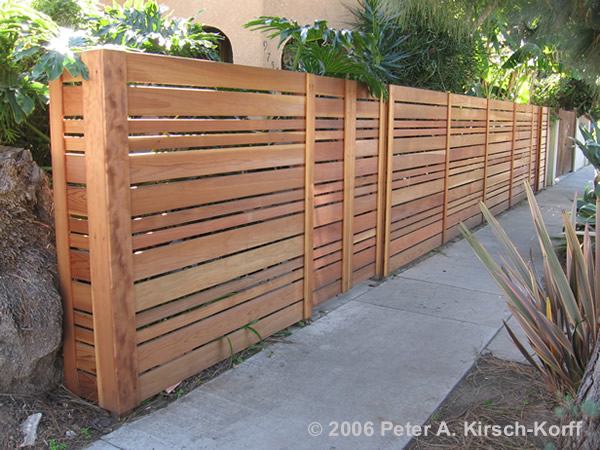 
Modern Redwood Horizontal Fence Contemporary Redwood Horizontal Fence
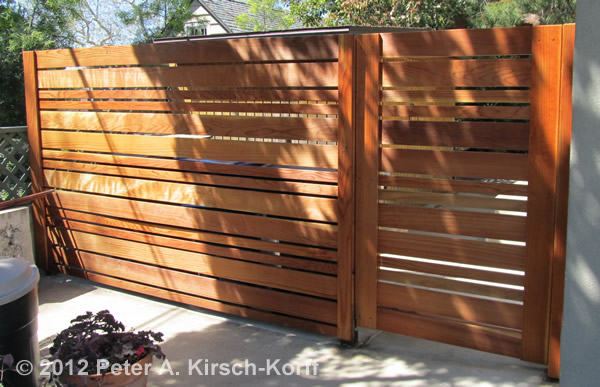 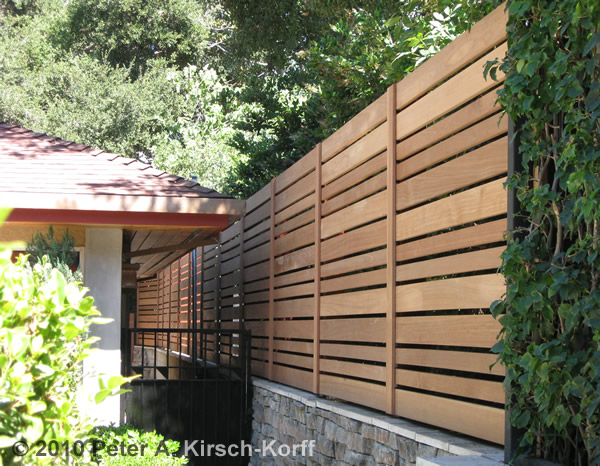
Horizontal Urban Style Fence Horizontal Modern Fence
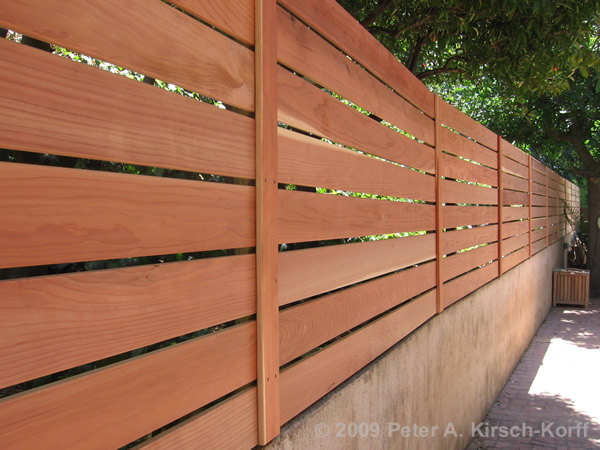 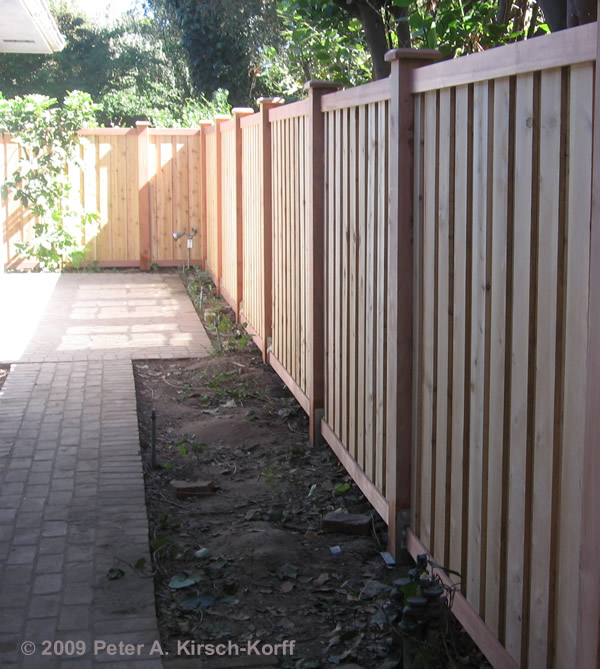
Contemporary Horizontal Wall Extension Contemporary Vertical Fence
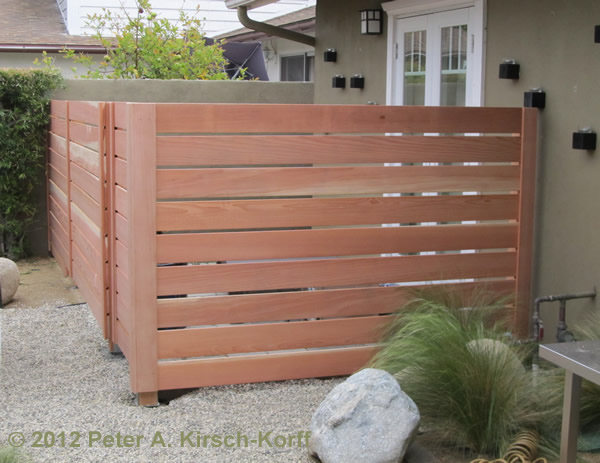 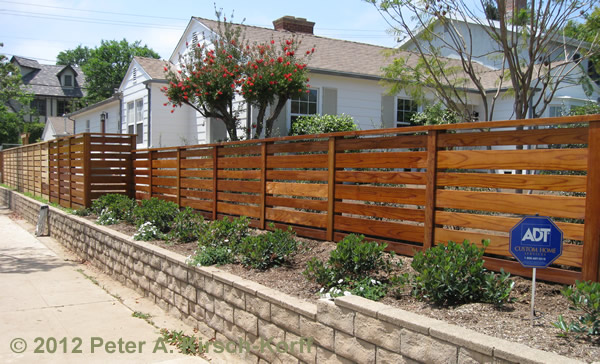
Horizontal Style Patio Enclosure Contemporary Horizontal Style Fence
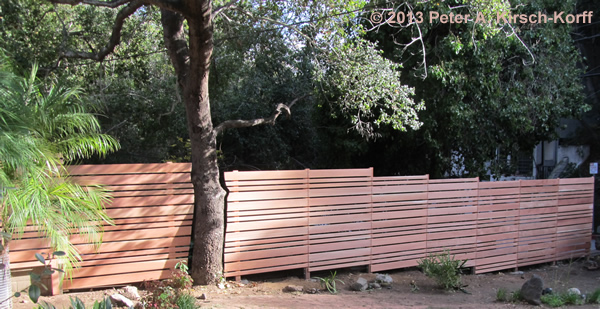 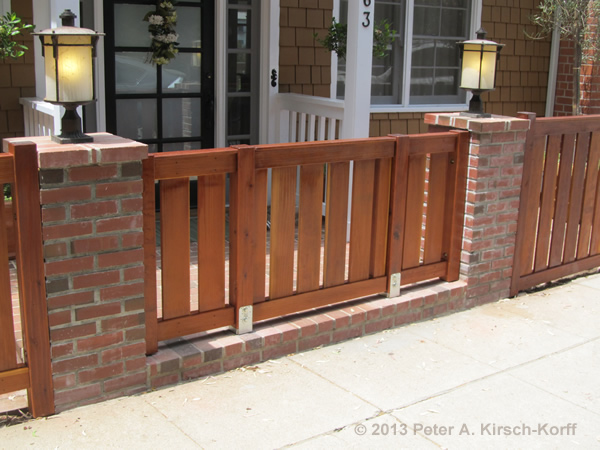
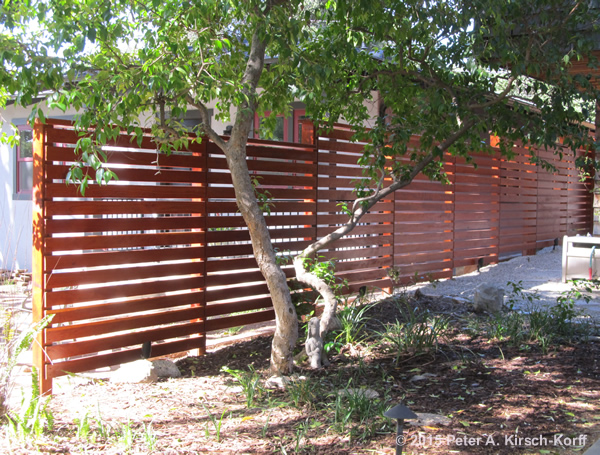
Redwood Fence Blended Around Tree Modern Open Slat Redwood Fence
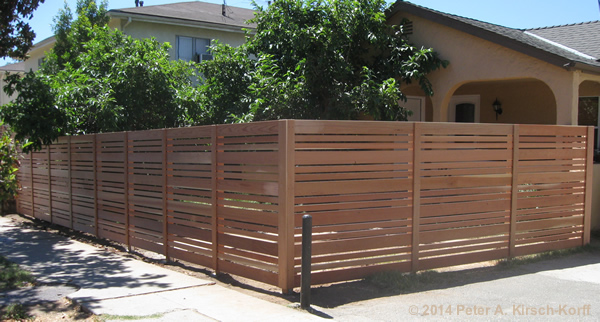 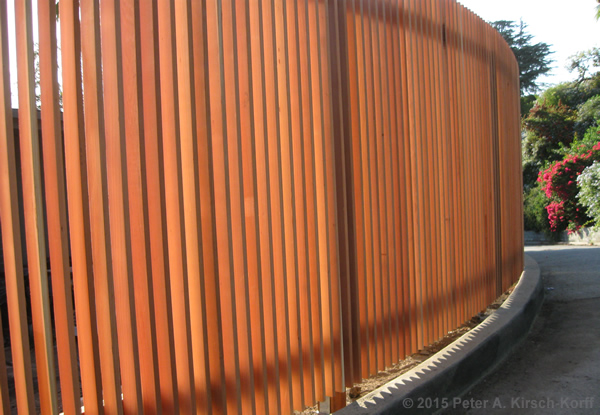
Open, Modern Horizontal Redwood Fence Curved Vertical Contemporary Fence
Craftsman & Greene and Greene Fences
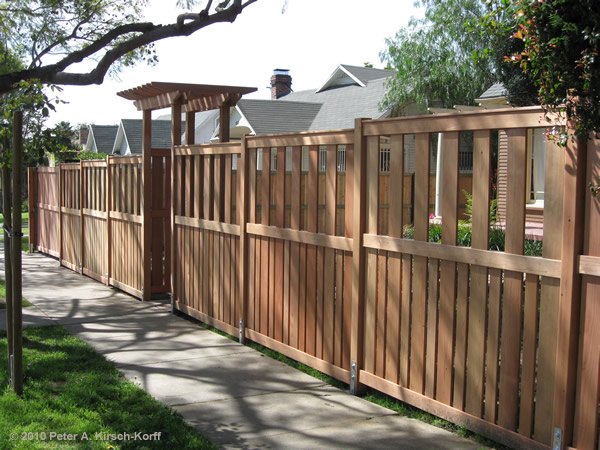 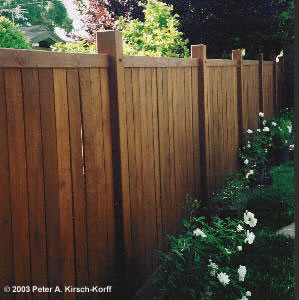
Craftsman Vertical Wood Fence Craftsman Wood Fence
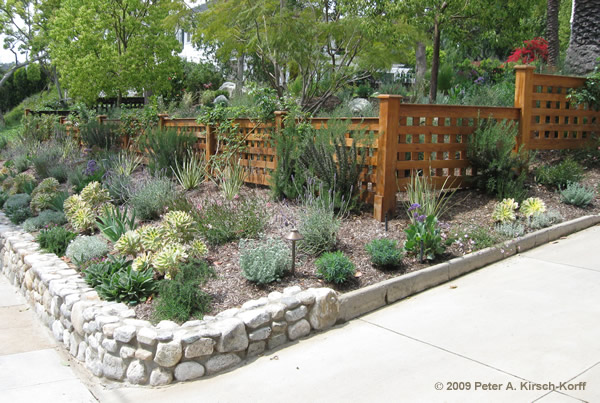 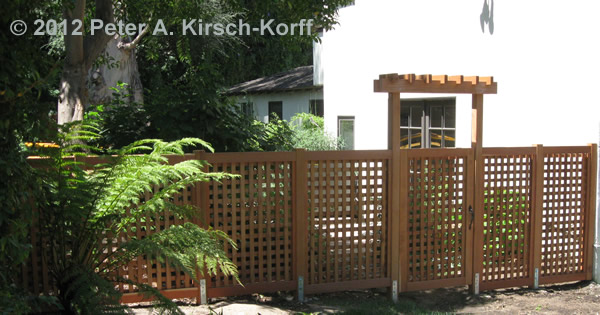
Custom Handmade Lattice Fence Lattice Fence and Gate with Arbor
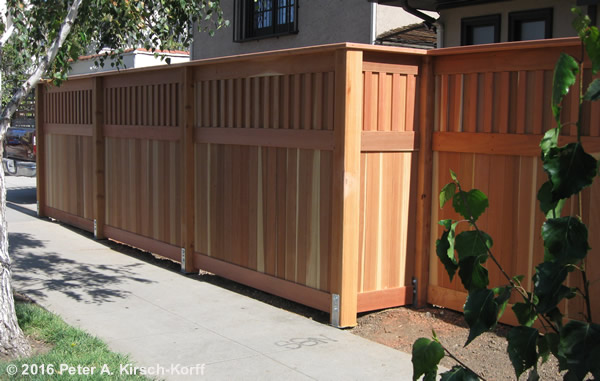 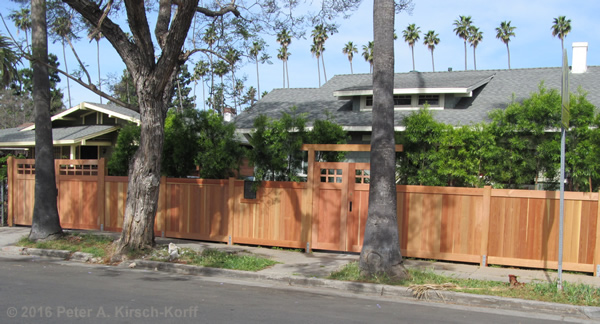
Craftsman Decorative Fence California Bungalow Redwood Fence & Gates
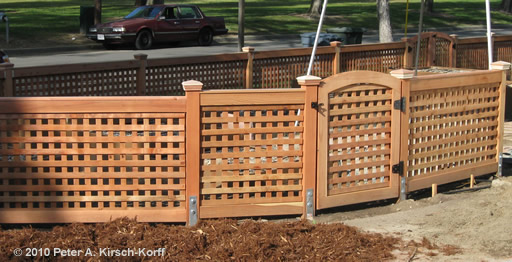 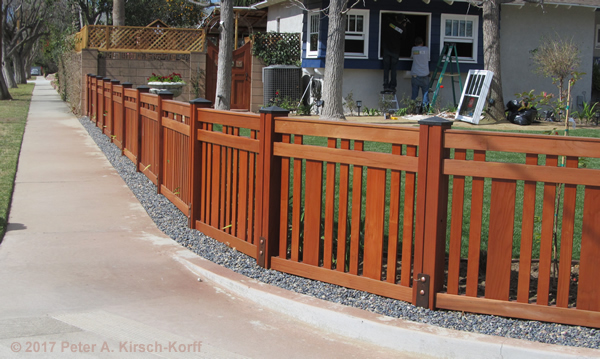
Craftsman Lattice Wood Fence Greene & Greene Fence & Gates
Mission & Southwestern Fences and Privacy Screens
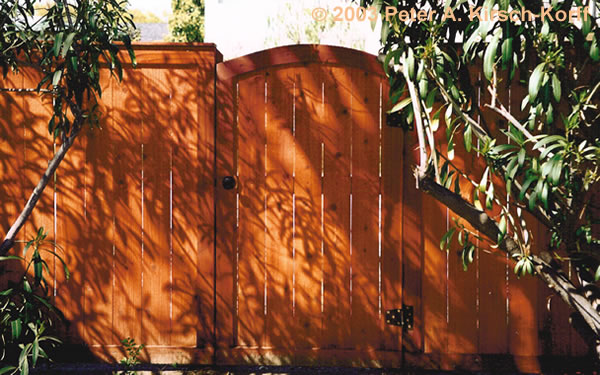 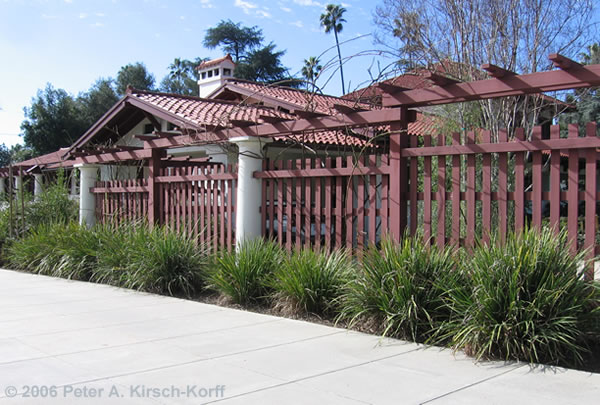
Mission Wood Fence and Gates Mission Wood Fence & Trellis
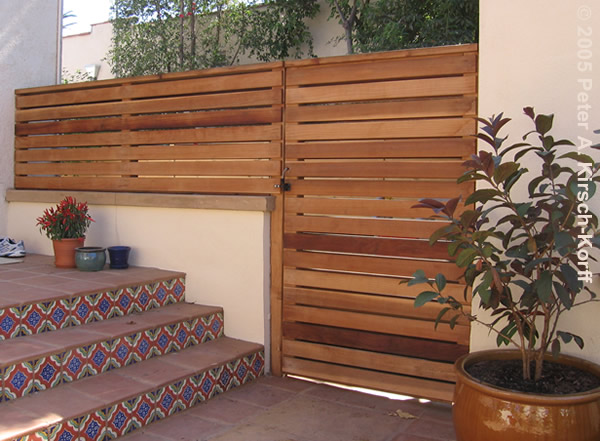
Southwestern Privacy Screening
Pricing For Wood Fences
The prices below are for well built wood fences that look good and last for years. Unfortunately, not all wood fence are built well, and it can be difficult for a layman to tell the difference between a well built fence and one that will start having problems in a few years. Good quality material and hardware, combined with superior building skills, make all the difference.
The cost depends on the type of fence you want: basic, custom, or high end.
Estimating the cost of a new fence is easy. Just measure (or estimate) the length in feet, pick a price range, and multiply the length by the price per foot. That will give you a price range for you new fence.
- A basic fence costs from $50 to $70 per foot and include all materials and labor but may not include demo of your old fence or painting the new one. These are the typical cedar dog ear fences and picket fences you commonly see. For this type of structure you want to find a basic fence builder, so please see my related links.
- Custom fences cost from $80 to $110 per foot and include the cost of a custom design and using high quality materials and techniques. My custom fence prices start at $50 per foot.
- High end wood fencing is an investment in your property and costs from $110+ per foot.
If you are purchasing pre-made fence panels, remember to include the cost of on-site installation and additional materials (posts, concrete, hardware and brackets) in your budget.
Unfortunately, to create a custom look for each client and ensure the fence (posts and framing) is built to last and installed properly ... I build all my fences from the ground up. So I do not make or install pre-made fence panels. For these, please see my related links to other fence builders.
You may also be interested in reading about comparing estimates.
Design Guide For Wood Fences & Privacy Screening
This design guide provides information on how to create a great fence design which reflects the architectural look of your home and meets your needs for privacy and functionality.
Design Elements For Fences
Many different wood fence styles can be created by design elements and material details such as:
- fence board size and patterns
- post size (width and height)
- railing size
- joinery techniques
- screening material size and visibility
- custom touches (wood inletting, post caps and finials)
- wood texture, color and finish
- metalwork
- lighting
Harmonizing Your Wood Fencing With Your Garden & Home
Your fence or privacy screening should harmonize with the style of your garden landscaping, as well as the look and feel of your home:
- Open structures like picket fences and lattice fences for more casual gardens and cottage style homes
- Rustic fences for haciendas and pueblos
- Bamboo fences for Asian style homes and Zen gardens
- More formal and detailed solid fences for California and Craftsman bungalows
If your home has a distinctive architectural or artistic style, you may want to have your fence match it. For example:
- Craftsman & Greene and Greene Fences ~ One of the most popular Los Angeles area styles can be achieved with smooth planed wood assembled using simple decorative pegged joints. Beams with rounded edges, "Japanese" style joinery and the "cloud lift" motif echo the look and feel of the Greene & Greene style. You can also create a simple fencing pattern, use stylized rail accents or post caps and accent with wooden embellishments to get an Arts & Crafts feel.
- Modern, Asian & Contemporary Fences ~ For a modern or contemporary look, you can design a fence with classic clean lines with sleek trim and hardware. To achieve a whimsical style, you can make imaginative use of patterned boards, create symbols cut out in relief or apply whimsical figures onto fence board panels.
- Mission, Spanish & Southwestern Fences ~ Start with natural wood posts and fence boards and accent them with period post caps or decorative rustic metalwork.
- Cottage, Colonial & Ranch Fences ~ I like to give a sophisticated look to the standard cottage fence with arches, custom fence board details and decorative post caps. You can also cut the end of fence boards into a decorative pattern to create a unique design. For a ranch style, repeat the crossed beam (X motif) effect and accent them by painting them a contrasting color.
- Medieval, Tudor & Mediterranean Fences ~ I like to use large posts, beams and rails stained or painted a dark color. To complete the look, add on decorative aged metal work of spikes, studs and bolts.
The overall dimensions should also fit with the proportions of the garden. If your fence is intended to support plants or containers, the size and proportions should be matched to the size, weight and density of the plant.
The final color should compliment the colors used in your landscaping. If you want to blend into the landscaping, the natural color of the wood or browns and greens work well. If you want the structure to stand out or highlight nearby plants, strong colors like white or black can be used. Using the same color and trim details on the fence or screening as on your home will give your property a distinctive look.
Design Criteria & Location Considerations for Fencing
- Use ~ The most important design factor is what you need your fencing or screening to do. Common fence and privacy screen requirements include: creating visual privacy, limiting access to the property, providing security as a barrier to entry, defining a property line, enclosing a pool or play area, creating wind resistance or shade, and creating a backdrop for viewing a garden. The requirements of the structure will also impact:
- height (the standard 6 feet can be can be added to with removable panels, usually made of lattice)
- terrain following (with multiple levels)
- flow around a natural landmark (tree, boulder or stream)
- privacy (using solid panels)
- access by pathways and gates
- built-ins (plant containers, benches, privacy nooks, plant shelves, vine trellises, and lanterns)
- utilities (electricity for lights and access to water outlets)
- Neighbors & Your Property Line ~ Before a design is approved, it is very important to obtain consensus with all your neighbors on the style, height, orientation (of the good and bad side) and finish of the proposed fence. It is also wise to verify the official property line and work out construction access and pet containment before work begins.
- View ~ A fence provides a natural way to obscure the surrounding neighborhood or highlight views of your garden. Consider what you do and don’t want to see, both walking around and sitting. Framed openings can highlight a distant focal point.
- Wind ~ In areas that experience high winds, a more open design, extra bracing, and heavy duty hardware may be needed. Prevailing winds may create the need for the fencing to create an area of wind resistance or protection.
- Water ~ Excessive moisture (from rain, hosing down, sprinklers and deep shade) can lead to premature aging, structural damage from rot and musty smells. The structure should be designed to shed rain and dew readily and have good drainage away from site, leaving no standing puddles. For a long life, ivy and heavy vines should be kept off the fence with a climbing trellis mounted in front to minimize contact. For the longest life, the structure should be allowed to dry out well after raining or watering plants, especially if you plan for it to support vines.
Material & Options For Wood Fences Designs
- Materials ~ To maximize the life expectancy, the frame should be made of pressure treated lumber set in steel column bases. The posts and fence boards can be made from Redwood, Mangaris™ (Red Balau), Ironwoods (Ipe) or Cedar. Better wood grades and thicker fence boards and beams lengthen the life expectancy of your project. See below for more.
- Finishes ~ Heat and light contribute to weathering, so a UV protective finish is important. If it will eventually be covered with hard to remove plants, it is very important to apply multiple coatings. Stains (clear, tinted, or solid) and paint are popular finish choices.
- Accessories & Built-ins ~ Trim, moldings, lattice, post caps, finials and fence art add to the uniqueness of your fence. Adding accessories can enhance your fence’s functionality. These include built-ins such as benches, privacy nooks, plant containers and shelves, vine trellises, and lanterns.
- Metalwork ~ Accents, such as copper post caps or blackened iron joining straps, can enhance the appearance of your fence or screening.
- Lighting ~ The choice of lighting style and fixtures (such as lanterns hung from posts, mounted sconces, and spot lighting) can create an immediate sense of style.
Selecting The Right Wood For Your Fence
To make sure you are delighted with your custom fence or privacy screen -- you want to choose the right building material. In Los Angeles, the popular wood (and composite) choices allow you to make trade-offs in terms of cost, quality, color, visual appearance, ease of maintenance and the ability to resist the elements (water, sun and pests).
You need to select materials for ...
- the framing (posts and cross pieces) used to support the weight of the your fence
- the wood used for fence boards, trim and accents
Wood For Framing & Substructures
The first type of wood to choose is for your framing -- the structure that holds your fence upright and to which you attach the fence boards.
- Pressure Treated Wood ~ For hidden framing, I only use pressure treated lumber (see photo). This wood is treated with a variety of chemicals to make it resistant to termites and rot. In the last few years, a major change has been made to the preservatives used -- they are safer for the environment but less effective.
- Redwood ~ For visible framing, such as fence posts, cross pieces and railings you can upgrade to redwood for a better appearance.
Wood Choices For Fences & Privacy Screens
There are several popular choices for fence boards. Once you have chosen the boards, I pick the appropriate wood for your trim and posts. Based on your needs and budget, I can also build fences out of other woods and some composite materials.
- Cedar ~ A soft, golden-tan wood (see photo) that offers good weather and termite resistance.
- Redwood ~ A distinctive pink/red colored wood which ages to gray. The red heartwood is naturally resistant to damage from termites and moisture. Any white part of a redwood board, known as sapwood, has little resistance to termites and rot. I use Construction Grade Heart Redwood, commonly known as Con Heart (see photo), which has no sapwood and some knots. For trim, I hand select the best clear redwood (see photo) with the least amount of sapwood possible. I can also use more expensive grades of redwood, if your budget permits.
- Mangaris™ (Red Balau) ~ A dense grained, reddish-brown hardwood (see photo) from Indonesia/Thailand that ages to a silver gray like Teak. It stains up like Mahogany and is more durable than Redwood. See the rich color of the unstained wood (see photo).
- "Ironwoods" ~ A chocolate brown family of heavy and durable South American hardwoods, including Ipe and Pau Lope. They offer excellent termite and weather resistance. However, they are more labor intensive.
Related Links and Resources
If you need ideas and inspiration, clip magazine pictures, look through your vacation photos and keep an eye out for what you like in the neighborhood.
For more ideas or inspiration for your fence or privacy screen, you might be interested in these resources.
Here are a few books I recommend (links may earn a commission).
I also recommend checking out these online resources for more ideas.
- California Redwood Association's Ideas
This site features more information about redwood, its sustainability and how to care for it.
- Image Search
You can search the image archives at Google Images, Yahoo Images, MSN or your favorite search engine to find inspiration from architectural showcase homes, historical buildings and DIY projects.
Out of Area Builders
Unfortunately, since I build every fence from the ground up on site at your home, I do not make pre-made fence panels for others to install. So, unfortunately, I can not build and ship you a custom wood fence or privacy screening.
If you live outside the Los Angeles area and are looking for a local builder of beautiful wood fences, you might be interested in:
Permission is granted to anyone who wants to
use my work for inspiration outside of the LA area. |